
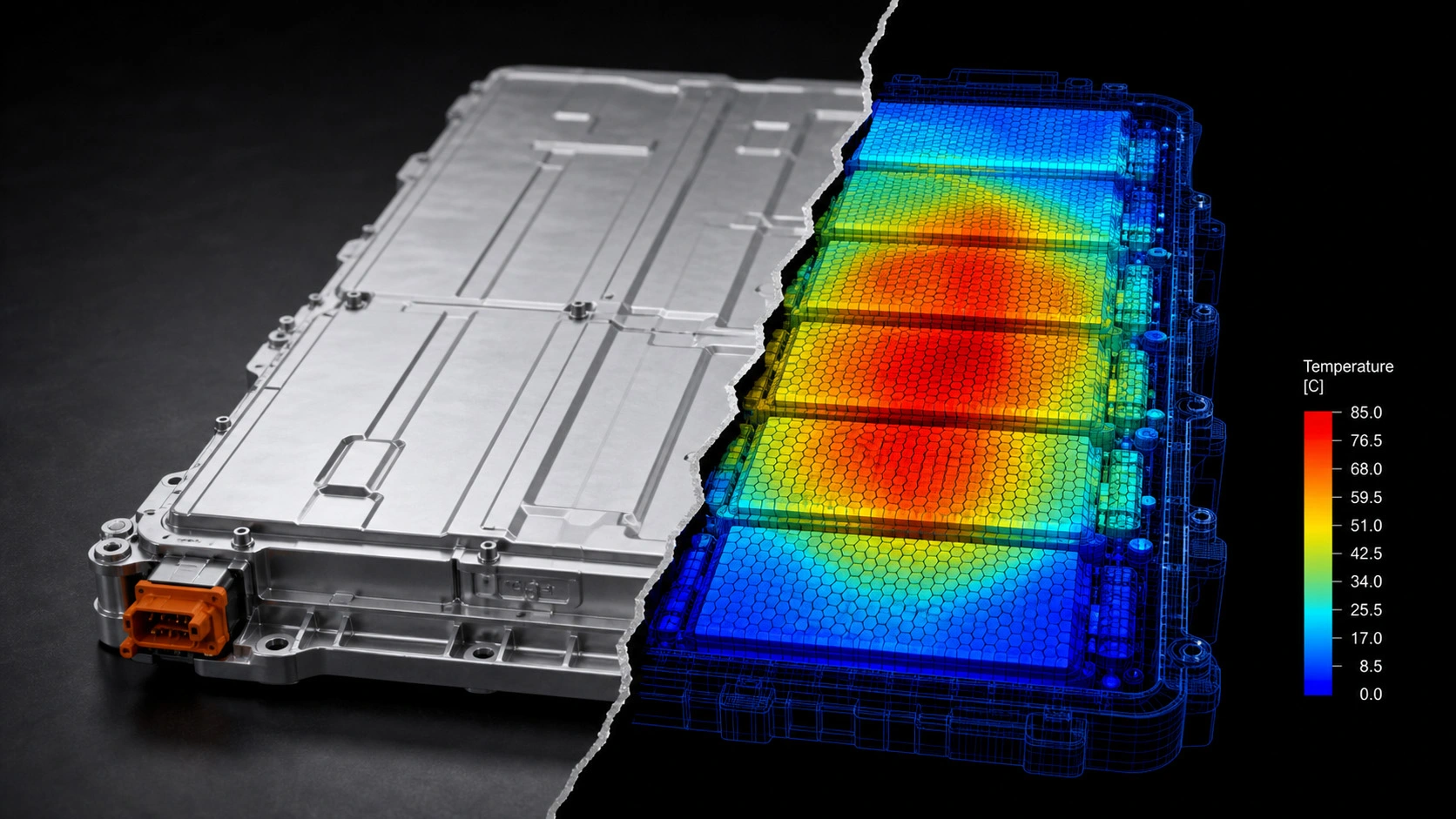
Every battery program has a moment where the schedule assumes thermal validation will be routine. Where the cooling architecture is "mostly confirmed" and DVT entry is a calendar date, not a risk variable.
Then DVT reveals a temperature distribution problem across the pack that requires cooling plate geometry changes. Which requires revised tooling. Which requires new thermal chamber testing. Which requires re-submission for regulatory sign-off. Four months have moved. The product launch window has closed. The team has absorbed ₹1.5–3 crore in engineering spend that was not in the business case.
This is not an operations failure. It is a design methodology problem — and it has a measurable, documented cost.
The Cost of Late-Stage Design Changes
Product development engineering has a well-established cost ratio: a design flaw identified at concept stage costs 1 unit to fix. Found at prototype stage? 10 units. Found post-DVT or in production? 100 units. This 1-10-100 rule has been validated across automotive, aerospace, and electronics programs for decades. Battery systems are not exempt from it.
In practical terms for an Indian EV program: a BMS thermal design flaw caught in early EVT through simulation costs the price of simulation run time and a few days of engineering revision. Caught at DVT? Expect ₹1.5–4 crore in redesign, re-tooling, and repeat testing costs. Caught in the field? You are managing warranty exposure, potential recall risk, and reputational damage in a market where EV trust is still being established and where a single high-profile safety incident can set back adoption by years.
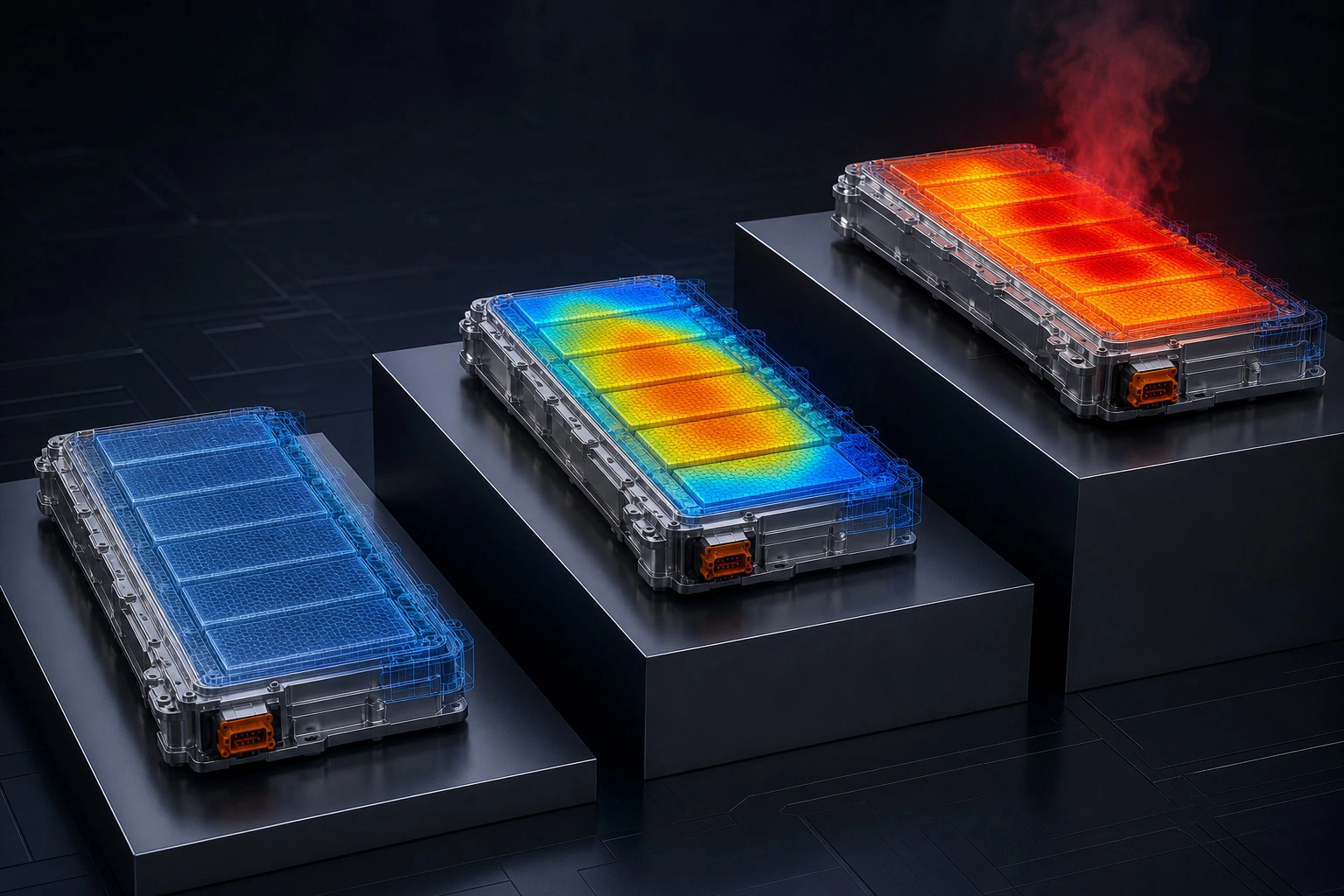
The average cost of a major EV battery recall globally has exceeded $500 million per incident. India's EV market is not at that scale yet — but the trajectory is established, and the cost structure of field failures does not scale proportionally downward just because the market is earlier.
The Business Risk in Your BMS Architecture
Battery Management Systems account for approximately 15–20% of total battery pack cost. That is the budget allocation. The business risk exposure is significantly higher.
The BMS governs three outcomes that directly connect to your revenue line:
- SOC and SOH estimation accuracy determines how your product performs against its advertised range and capacity specifications in the hands of a customer. Estimation errors translate directly into warranty claims and replacement cycles.
- Thermal regulation determines whether your product reaches designed end-of-life under normal operating conditions or generates field incidents that trigger regulatory review. In India's climate — where peak ambient temperatures across large parts of the country exceed 45°C — BMS thermal architecture is not a secondary concern.
- Cell balancing determines pack-level capacity retention over the product lifetime. A BMS that permits 5–8°C temperature differentials across cells over thousands of charge cycles produces measurable capacity fade that begins showing up in customer complaints within 18–24 months of deployment.
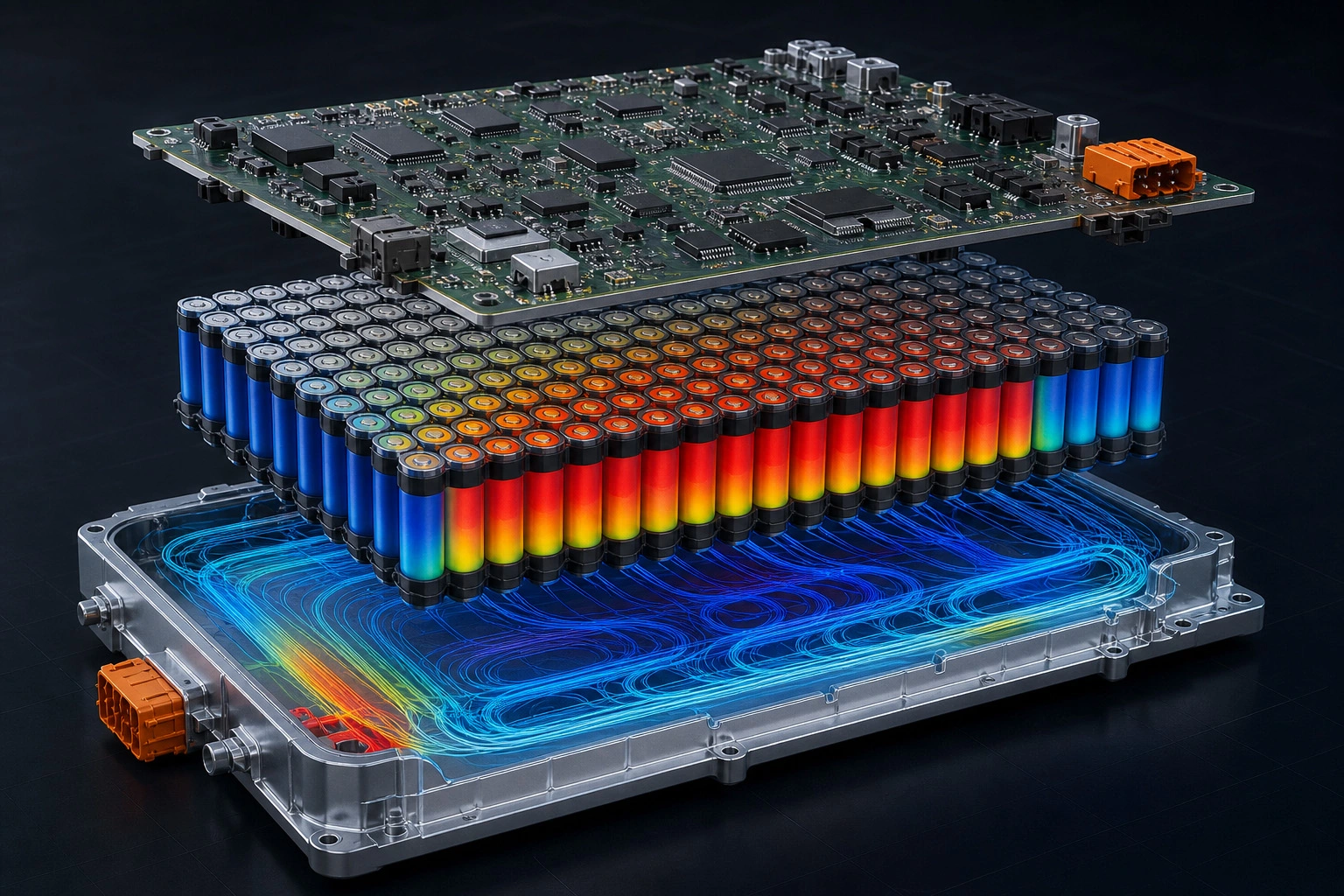
Industry data indicates that thermal management failures contribute to approximately 40% of EV battery safety incidents globally. That is the risk category your BMS design directly governs.
What High-Performing Engineering Teams Do Differently
The VP Engineering and R&D Director teams consistently hitting battery program milestones share one practice: they use engineering simulation as a design exploration tool at EVT stage or earlier — not only as a validation tool after the design is locked.
The downstream impact of that methodological difference is measurable. Teams implementing multi-physics BMS simulation — combining CFD thermal analysis with electrochemical-thermal battery modeling — report:
- 40–50% reduction in physical prototype iterations across the development program
- 6–8 months faster time-to-production compared to test-first programs of equivalent complexity
- 30–40% improvement in battery cycle life in final production designs, driven by simulation-optimized thermal uniformity across modules
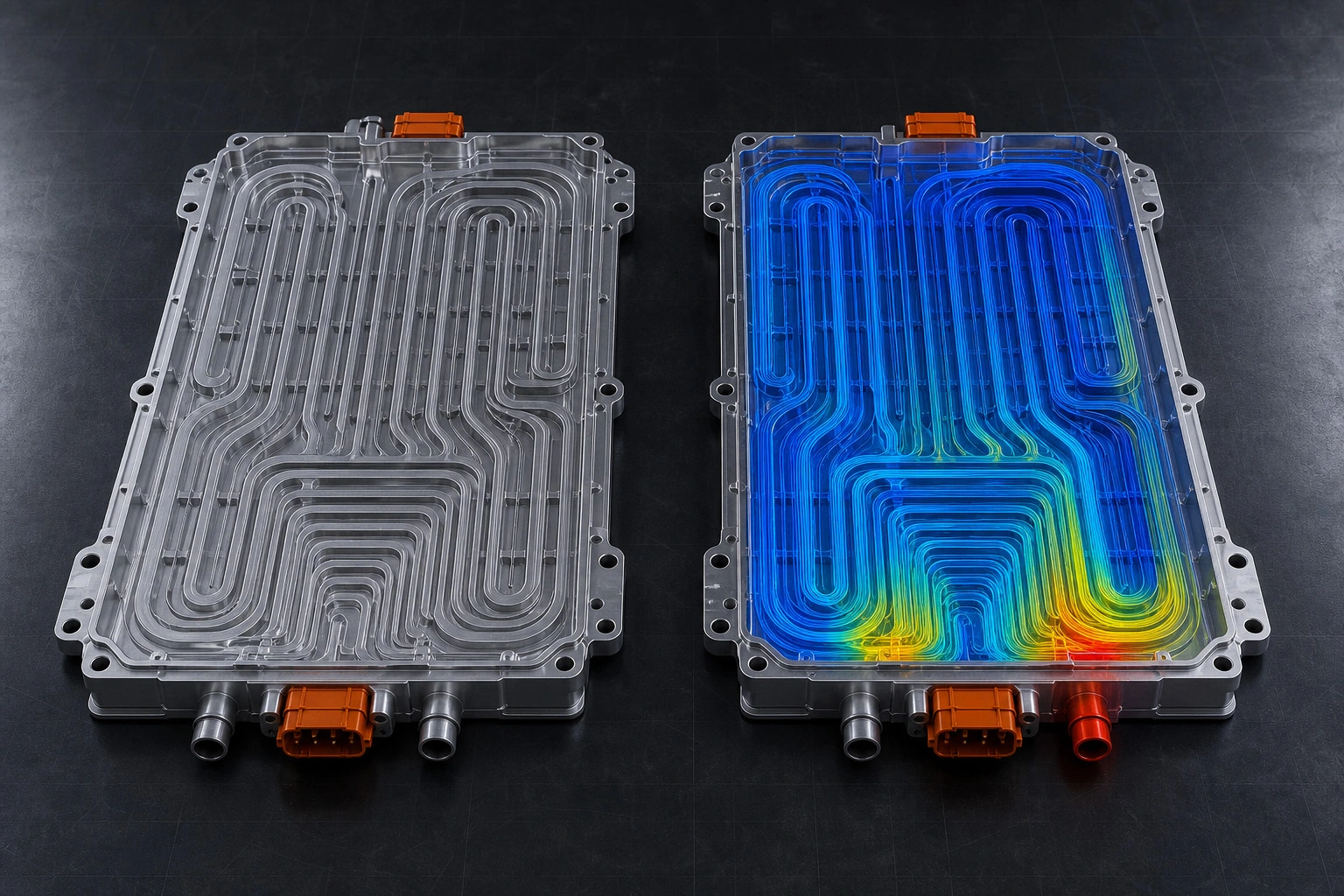
In a market where India's PLI scheme for Advanced Chemistry Cells is creating real commercial urgency — and where EV launch windows are tied to fleet procurement cycles, festive season demand, and government adoption mandates — a 6-month acceleration in time-to-production is not a marginal improvement. It is a material competitive advantage.
The Decision for Engineering Leadership
For a VP Engineering or R&D Director evaluating simulation investment against an active program budget, the question is not whether simulation has a cost. It does. The question is what the alternative costs.
A physical prototype iteration in India's mid-size EV segment costs ₹35–80 lakhs per cycle. A systematic thermal simulation sweep of your BMS cooling architecture — conjugate heat transfer analysis, temperature uniformity mapping across module configurations, worst-case ambient performance modeling — costs a fraction of a single prototype cycle and returns design decisions that are validated before metal is cut.
The engineering debt from insufficient early-stage simulation does not disappear. It migrates to DVT. And it compounds every week it remains unaddressed.
If your program is entering DVT in the next 6 months and your BMS thermal architecture has not been systematically modeled, the risk is already on the program balance sheet. The only variable is when your team decides to confront it.
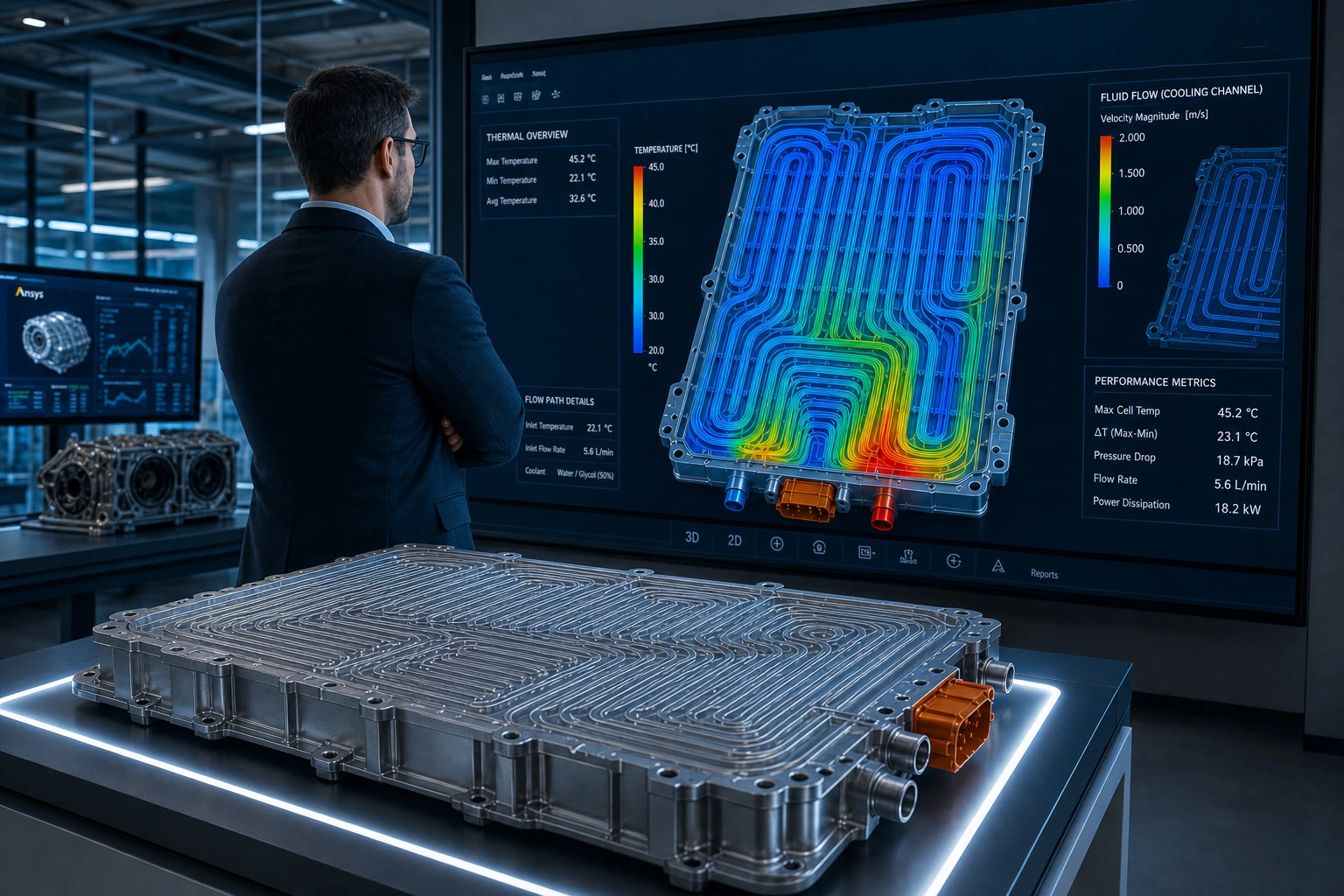
Is Your BMS Thermal Architecture Ready for DVT?
Kaizenat's CAE engineers help EV and battery teams model BMS cooling architecture, temperature uniformity, and worst-case ambient performance before DVT — at a fraction of the cost of a late-stage redesign. Book a consultation to assess your program risk.